Introduction
Understanding the complexities of effective advertising is essential in a landscape where consumer preferences shift rapidly and competition intensifies. Brands that excel in crafting ads not only capture attention but also drive substantial revenue through strategic engagement. But with so many evolving trends and methodologies, how can companies ensure their advertising efforts yield optimal results?
This article delves into four best practices that empower businesses to optimize their ad strategies, leverage data-driven insights, and foster authentic connections with their audience. By doing so, they can transform their approach to advertising in an increasingly complex market.
Understand Your Audience and Market Trends
To effectively monetize , brands must prioritize a deep understanding of their target market. This means diving into , psychographics, and behavioral patterns. Tools like Google Analytics and social media insights are invaluable for gathering critical data on and habits. Did you know that 73% of consumers prefer to discover products? With 37% of marketers planning to increase their by 2026, it’s clear that companies should integrate this format into their promotional strategies to enhance engagement.
Staying attuned to is equally vital. In 2026, the shift towards outcomes-based compensation models in advertising will require a focus on . Engaging with audiences through surveys or social listening can yield valuable insights into their needs and expectations, enabling companies to craft more . Furthermore, leveraging can boost customer affinity by 19%. However, 42% of marketers report that segmentation efforts are hampered by poor data quality. Additionally, using localized product imagery can enhance trust by 17%, making it essential for companies to align their messaging with consumer motivations and values. By understanding these dynamics, companies can create compelling advertisements that resonate with their consumers and drive conversions.

Utilize Data-Driven Insights for Ad Optimization
To enhance , companies must leverage by meticulously tracking like click-through rates (CTR), conversion rates, and . Tools such as and Google Ads provide marketers with , allowing them to identify which ads excel and which fall short. By consistently evaluating this information, companies can make informed adjustments - whether reallocating budgets to high-performing advertisements or refining ad text and visuals based on audience interaction. This systematic approach to information analysis not only maximizes the effectiveness of each advertising dollar but also aligns with projected , expected to stabilize between 2% and 4% in 2026.
Successful companies exemplifying this practice have reported by focusing on these KPIs. This underscores the necessity of a . As marketing analysts note, "Data-driven decision-making is crucial for optimizing ad spend and improving ROI." Furthermore, 32% of marketers indicate that TikTok consistently offers the highest ROI, showcasing the effectiveness of leveraging KPIs for improvement.
However, companies should be cautious of common pitfalls in tracking KPIs. Neglecting to adjust strategies based on real-time data can hinder overall campaign success. Are you ready to take your to the next level? Engage with MediaNug to explore how a data-driven approach can transform your advertising strategy.

Incorporate User-Generated Content for Authentic Engagement
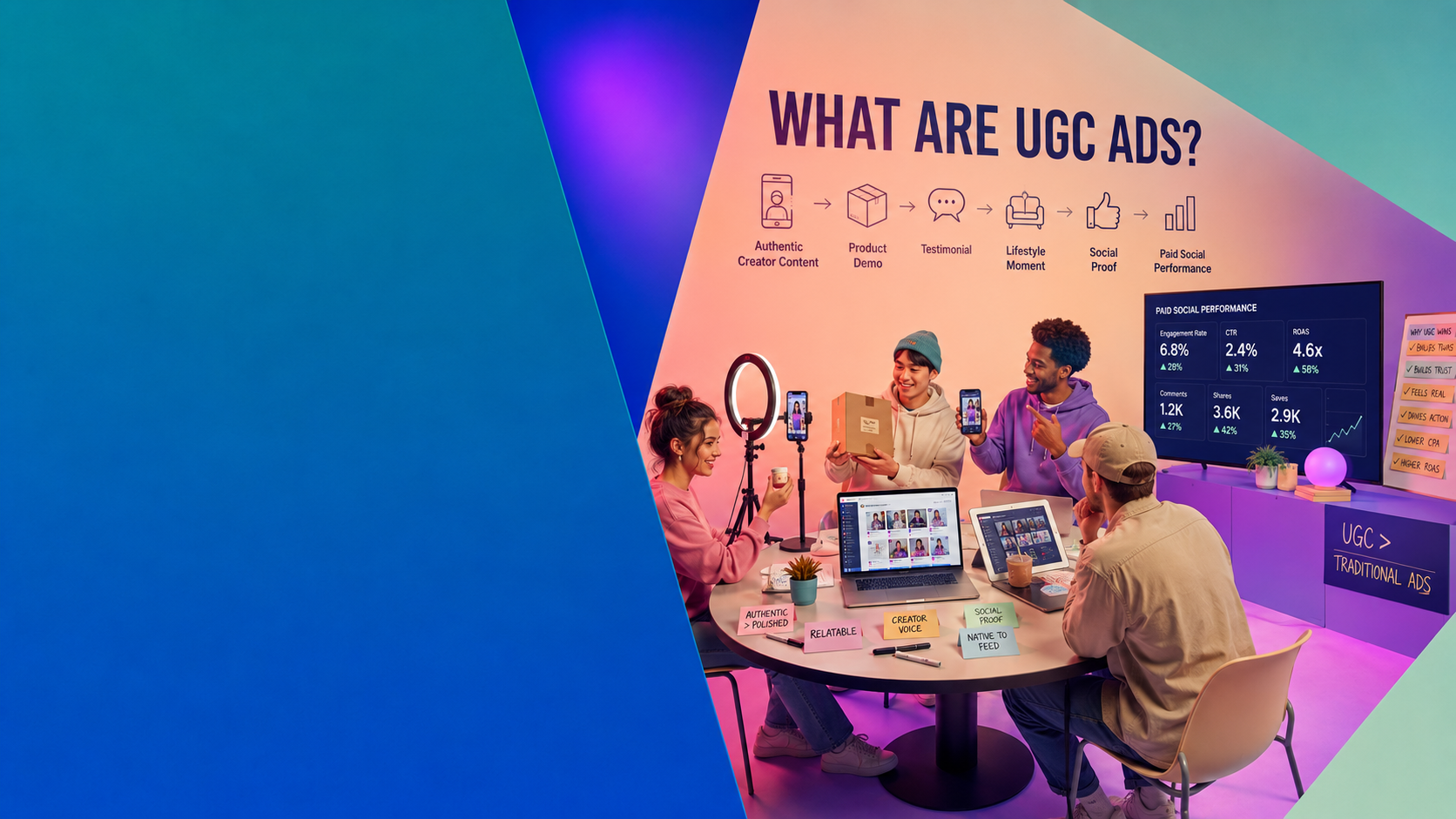
[](https://skysociety.co/blog/The Proven Power of User-Generated Content in 2026) is essential for enhancing ad campaigns, delivering that truly resonate with potential customers. By encouraging customers to share their experiences through social media posts, reviews, or videos, brands can foster . This strategy not only cultivates a sense of belonging but also acts as compelling social proof, significantly .
Consider the success of GoPro, which actively engages its audience through UGC challenges, rewarding users for sharing their adventure footage. Similarly, Starbucks showcases customer creations, reinforcing its brand value. In fact, a striking 77% of Gen Z made purchases influenced by social media in the past six months, highlighting the . Furthermore, gamifying content creation through loyalty programs can further incentivize .
Incorporating UGC into can dramatically enhance engagement rates and foster among consumers, establishing it as a cornerstone of modern marketing success. Brands should also remember to tag original creators when resharing UGC, as this not only enhances but also shows respect for content creators.

Implement A/B Testing and Iteration for Continuous Improvement
, often referred to as split testing, stands out as a formidable strategy for optimizing . By creating two versions of an ad and altering one variable at a time - be it the image or the call to action - brands can effectively measure which version resonates more with their audience. This should be a regular practice, allowing brands to continuously refine their ad strategies. For example, if an ad featuring a particular image yields a higher (CTR) than another, companies can focus on similar visuals in their future campaigns.
As Taylor Hart, Director of Digital Marketing, aptly points out, "Brands that move early, experiment aggressively, and document learnings will be better positioned as the platform stabilizes and competition intensifies." Looking ahead, the from is projected to reach around 58% by 2026, highlighting the critical nature of ongoing iteration. By consistently testing and optimizing, brands can not only adapt to shifting audience preferences but also enhance their overall .
Documenting these insights is essential for maintaining relevance and achieving measurable growth in an increasingly competitive landscape. Are you ready to elevate your advertising strategy? Engage with to explore how can transform your campaigns.

Conclusion
Understanding the complexities of effective advertising is essential for brands looking to maximize their revenue potential. By honing in on audience insights, employing data-driven strategies, fostering authentic engagement through user-generated content, and committing to continuous improvement via A/B testing, companies can craft compelling ad campaigns that truly resonate with their target market and drive conversions.
Key insights from the article underscore the necessity of knowing your audience and adapting to market trends. Utilizing data analysis tools not only enhances ad optimization but also ensures that marketing strategies align with consumer preferences. Furthermore, leveraging user-generated content cultivates community engagement and builds trust, while A/B testing empowers brands to refine their messaging and visuals effectively.
In an ever-evolving advertising landscape, brands must adopt these best practices to remain competitive and relevant. By prioritizing audience understanding, harnessing data insights, encouraging authentic interactions, and committing to iterative improvement, companies can elevate their advertising strategies and achieve sustainable growth. Taking actionable steps today will pave the way for a more impactful and profitable advertising future.
Frequently Asked Questions
Why is it important for brands to understand their target market?
Understanding the target market is crucial for effective monetization of advertising efforts. It involves analyzing demographic information, psychographics, and behavioral patterns to tailor advertising strategies that resonate with consumers.
What tools can brands use to gather data about their audience?
Brands can utilize tools like Google Analytics and social media insights to gather critical data on audience preferences and habits.
What type of content do consumers prefer for discovering products?
Research shows that 73% of consumers prefer short-form video content for discovering products.
How are marketers planning to invest in video marketing by 2026?
By 2026, 37% of marketers plan to increase their investment in video marketing, indicating its growing importance in promotional strategies.
What are outcomes-based compensation models in advertising?
Outcomes-based compensation models focus on performance-driven strategies, which will become increasingly important in advertising by 2026.
How can companies gain insights into audience needs and expectations?
Companies can engage with audiences through surveys or social listening to gain valuable insights into their needs and expectations.
What is psychographic segmentation and how does it benefit companies?
Psychographic segmentation involves categorizing consumers based on their interests, values, and lifestyles, which can boost customer affinity by 19%.
What challenges do marketers face with segmentation efforts?
42% of marketers report that poor data quality hampers their segmentation efforts.
How can localized product imagery impact consumer trust?
Using localized product imagery can enhance consumer trust by 17%, making it important for companies to align their messaging with consumer motivations and values.
What is the overall goal of understanding audience dynamics in advertising?
By understanding audience dynamics, companies can create compelling advertisements that resonate with consumers and drive conversions.
List of Sources
- Understand Your Audience and Market Trends
- marketingltb.com (https://marketingltb.com/blog/statistics/customer-segmentation-statistics)
- 120+ Must-know social media marketing statistics for 2026 (https://sproutsocial.com/insights/social-media-statistics)
- 100 ad leaders predict 2026 marketing trends—what’s next for AI, agencies, creativity, media and more | News | Triton Digital (https://tritondigital.com/news-item/January-05-2026/100-ad-leaders-predict-2026-marketing-trends-what-s-next-for-ai-agencies-creativity-media-and-more)
- 2026 Marketing Statistics, Trends, & Data (https://hubspot.com/marketing-statistics)
- Utilize Data-Driven Insights for Ad Optimization
- 2025 eCommerce Benchmarks: Average Conversion Rates By Industry & By Year | Speed Commerce (https://speedcommerce.com/insights/ecommerce-benchmarks-conversion-rates-by-industry-over-by-year)
- One moment, please... (https://wordstream.com/blog/ws/2022/04/19/digital-marketing-statistics)
- 100 ad leaders predict 2026 marketing trends—what’s next for AI, agencies, creativity, media and more | News | Triton Digital (https://tritondigital.com/news-item/January-05-2026/100-ad-leaders-predict-2026-marketing-trends-what-s-next-for-ai-agencies-creativity-media-and-more)
- 2026 Marketing Statistics, Trends, & Data (https://hubspot.com/marketing-statistics)
- Incorporate User-Generated Content for Authentic Engagement
- The Impact of User-Generated Content on Customer-Centric Digital Marketing (https://thriveagency.com/news/the-impact-of-user-generated-content-on-customer-centric-digital-marketing)
- User-Generated Content 2026: 9 Tips To Master Strategy (https://yotpo.com/blog/user-generated-content-strategy)
- The Proven Power of User-Generated Content in 2026 (https://skysociety.co/blog/The Proven Power of User-Generated Content in 2026)
- archive.com (https://archive.com/blog/user-generated-content)
- Implement A/B Testing and Iteration for Continuous Improvement
- 100 ad leaders predict 2026 marketing trends—what’s next for AI, agencies, creativity, media and more | News | Triton Digital (https://tritondigital.com/news-item/January-05-2026/100-ad-leaders-predict-2026-marketing-trends-what-s-next-for-ai-agencies-creativity-media-and-more)
- 99firms - Find the Best Coupon Codes & Deals Online (https://99firms.com/research/ab-testing-statistics)
- 7 Essential A/B Testing Statistics for Ad Agencies (https://madgicx.com/blog/a-b-testing-statistics)
- 2026 Advertising and Marketing Predictions - True Interactive (https://trueinteractive.com/blog/2026-advertising-and-marketing-predictions)